The Story
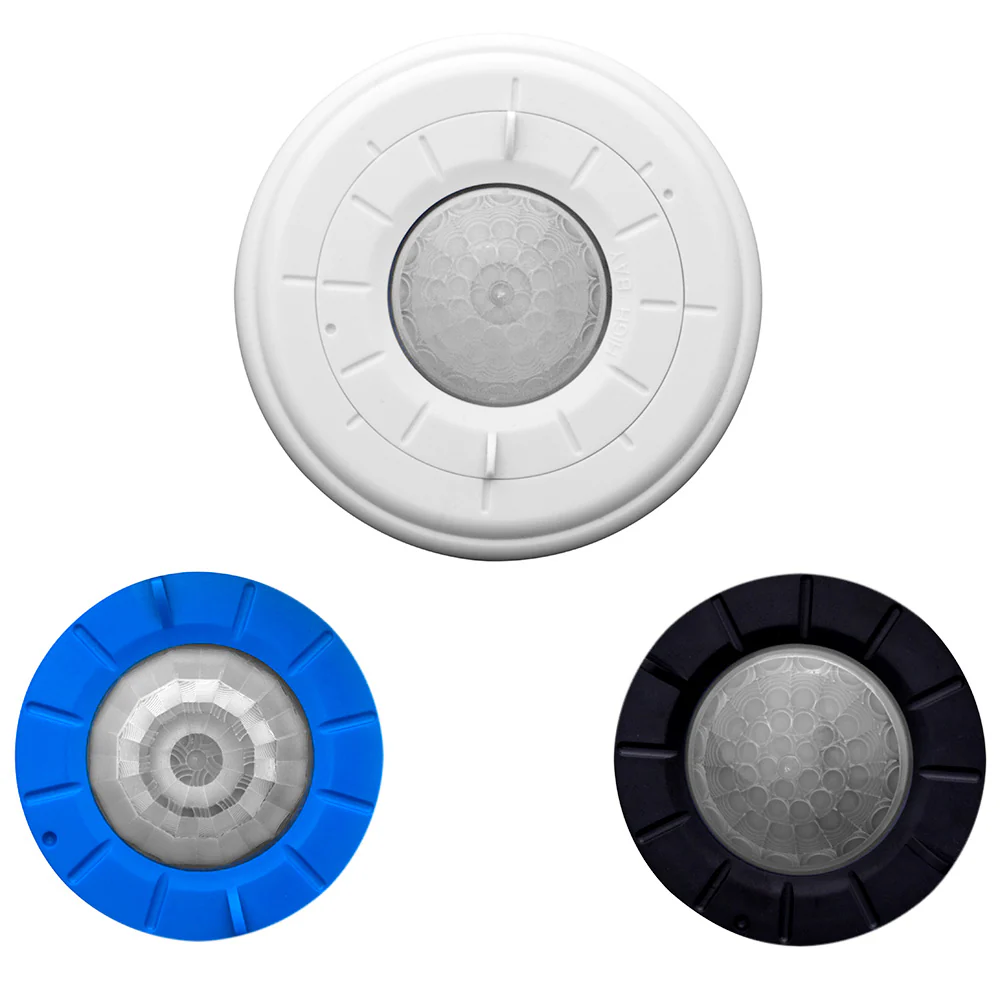
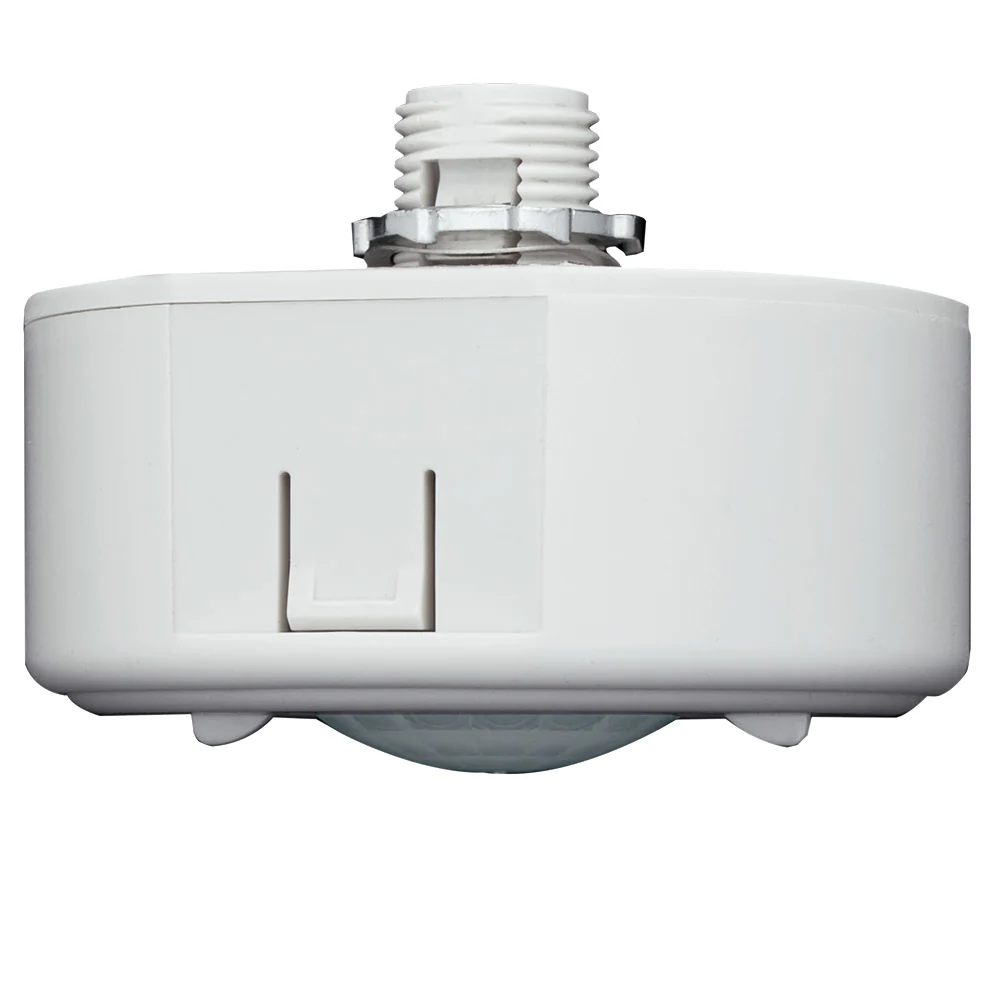
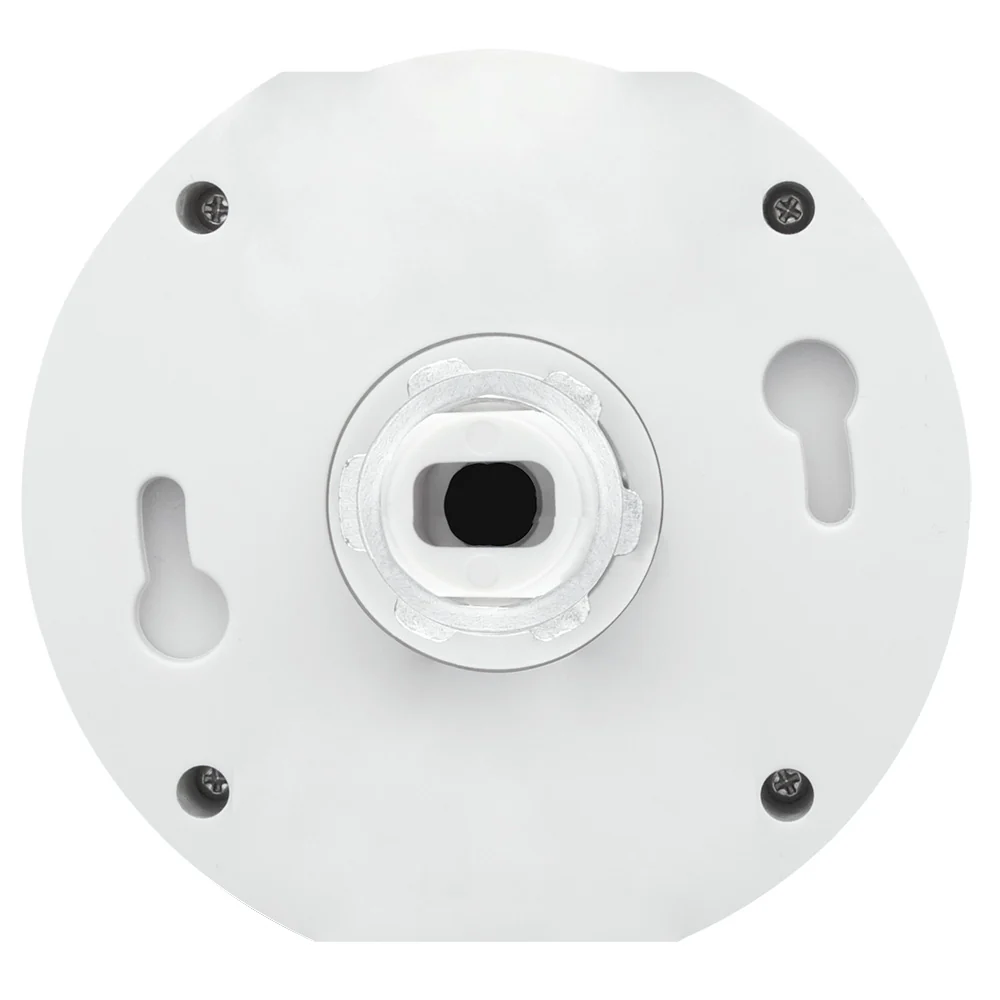
PIR Surface/Recess Mount High Bay Occupancy Sensor, Interchangeable lenses; 360 Degree High Bay, Aisle and, 360 Degree Low Bay Lenses, 120/208/220/230/240/277/347V; 50/60Hz, White, Title 24 Compliant, ASHRAE 90.1 Compliant
The High Bay Occupancy Sensor is designed simply to automatically turn lights ON or OFF. The sensor utilizes Passive Infrared Technology (PIR) combined with Fresnel lenses to determine when an area is occupied. This is determined when a heat source is detected and moves from one facet in the lens to another. The sensor recognizes this as a motion and provides power to the light fixture. Simultaneously a timer is started and restarts with each motion, once expired, the lights will turn OFF. The high bay sensor maximizes energy savings, incorporating false detection algorithms to eliminate false ONs by nuisance tripping or background environmental conditions. The sensor also optimizes energy savings and safety concerns during power loss scenarios by assuming a return to last known state of operation.
Details & Craftsmanship
Every detail has been carefully considered to bring you the perfect product.
Details & Craftsmanship
Every detail has been carefully considered to bring you the perfect product.
Description
PIR Surface/Recess Mount High Bay Occupancy Sensor, Interchangeable lenses; 360 Degree High Bay, Aisle and, 360 Degree Low Bay Lenses, 120/208/220/230/240/277/347V; 50/60Hz, White, Title 24 Compliant, ASHRAE 90.1 Compliant
The High Bay Occupancy Sensor is designed simply to automatically turn lights ON or OFF. The sensor utilizes Passive Infrared Technology (PIR) combined with Fresnel lenses to determine when an area is occupied. This is determined when a heat source is detected and moves from one facet in the lens to another. The sensor recognizes this as a motion and provides power to the light fixture. Simultaneously a timer is started and restarts with each motion, once expired, the lights will turn OFF. The high bay sensor maximizes energy savings, incorporating false detection algorithms to eliminate false ONs by nuisance tripping or background environmental conditions. The sensor also optimizes energy savings and safety concerns during power loss scenarios by assuming a return to last known state of operation.